
News Center
01
2022
-
12
Let's talk about the causes of casting damage.
I believe everyone knows that damage to castings during the casting process is unavoidable, but knowing the cause of the damage can help to avoid it as much as possible. As a specialized foundry, the following will introduce the causes of casting damage.
I believe everyone knows that damage to castings during the casting process is unavoidable, but knowing the cause of the damage can help to avoid it as much as possible. As a specialized foundry, we will introduce the causes of casting damage below.
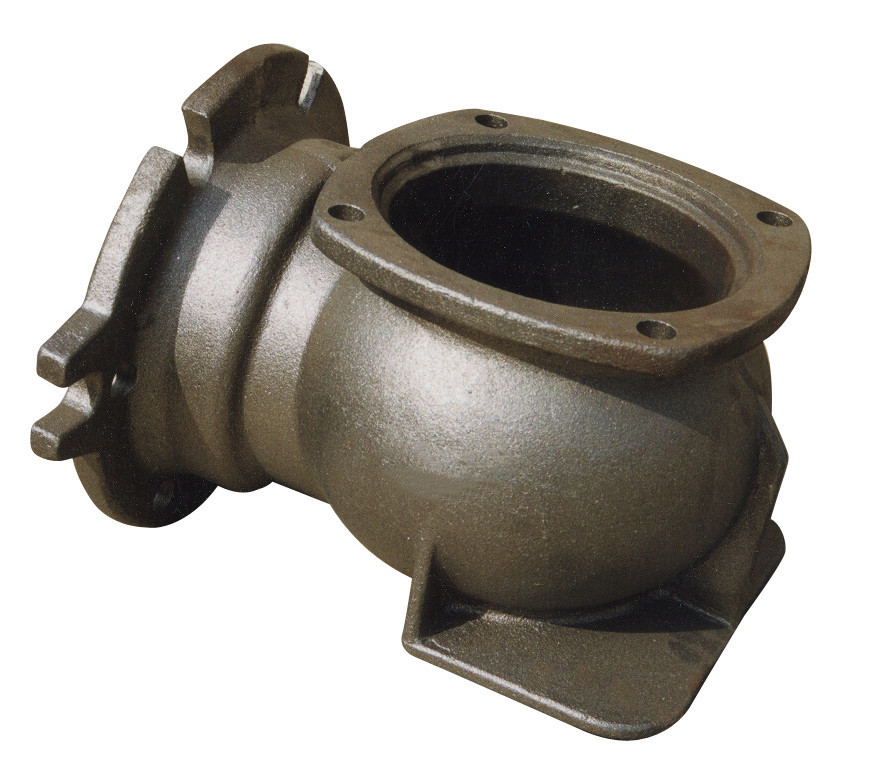
1. The mold material selection for the casting is unreasonable. Foundry Say, In the selection of white mold material for castings, one is high carbon content; the other is excessive white mold density. Therefore, the carbon content of the casting pattern is high during thermal decomposition during the pouring process, and the liquid phase and non-fog carbon content of the casting are high during the pouring and filling process, which increases the probability of carburization of steel castings.
2. The carbon content in the production and smelting composition of steel castings is not strictly controlled, especially the carbon content in various scrap steels and the existence of other alloy components in various scrap steels are unknown.
3. Castings have multiple patterns, combinations, and joint surfaces. Poor pattern assembly quality and unsmooth assembly surfaces lead to an increase in the amount of glue used for pattern assembly bonding, and the carbon content of its thermal decomposition products increases.
4. The selection of white mold glue is unreasonable. Foundry Say, One is that there are no requirements for the material and composition content of the adhesive, and an adhesive with a high carbon content is used; the second is that the selected adhesive has poor adhesion ability, resulting in the use of a large amount of adhesive for white mold combination bonding; the carbon content of the thermal decomposition products of the binder increases during the pouring process, and the probability of carbon increase in steel castings increases.
5. The pouring and filling design of the casting gating system is unreasonable. Foundry Say, In the production of low-carbon steel castings, the carbon content of steel castings is low. If the casting filling method is not reasonably designed, the probability of carbon diffusion in the thermal decomposition products of the casting pattern will increase, leading to carburization and carburization.
6. The coating of the casting model and the molding sand in the casting sand box have poor air permeability. Foundry Say, In the production and pouring process of castings, the thermal decomposition products of the pattern and pattern binder when the pattern is thermally decomposed by molten steel cannot be quickly discharged from the pouring cavity, thereby creating unfavorable working conditions and conditions for carburization and carbon deposition.
7. The setting of the steel casting gating system is unreasonable. Foundry Say, In particular, the unreasonable configuration of the vacuuming system and the casting sand box or casting molding process leads to unequal vacuum degrees in the casting sand box during casting, excessive or insufficient deviation of the actual vacuum degree, and the vacuum pressure gauge displays incorrect values that meet the technical parameters, so that the thermal decomposition products of the molding cannot be quickly discharged from the casting molding cavity, causing carburization or carbon deposition of the casting.
8. The casting modeling system is set unreasonably. Foundry Say, When pouring the casting pattern, the gasification time of the pattern is too long, and the filling method of the casting is unreasonable, so that the thermal decomposition products of the pattern cannot smoothly enter the slag collection cavity or riser, and the contact reaction time between the liquid phase and solid phase in the thermal decomposition products is prolonged, thereby increasing the probability of carbon increase in the casting.
9. The casting pouring conditions are set unreasonably. Foundry Say, If the pouring and filling process is too long and the temperature of the molten steel is low during the pouring process, especially in the position where the wall thickness of the casting increases, the solidification speed of the molten steel is slow, resulting in a long liquid-solid residence time, which will promote the action time of the molten steel and the thermal decomposition products of the casting mold, and increase the carburization and carbon deposition of the steel casting.
Foundry


Shandong Gongchen Machinery Technology Co., Ltd.
Contact QQ: 258506508
Mobile Number:15621618888
Phone:0536-7691368 7691229
Fax: 0536-7691229
Contact Email:guisongzhng8@gmail.com
Website:www.shandonggongchen.com Gongchen.China Valve Castings.China
Address: Mucun Town, Fangzi District, Weifang City, Shandong Province
Public Account