
News Center
25
2023
-
05
What is the production process of valve castings, and the application and market analysis of valve castings?
Valves are one of the indispensable components in industrial production, and they are widely used in industries such as petroleum, chemical, thermal power generation, pharmaceutical, and metallurgy. In valves, castings are indispensable parts, and the quality of castings directly affects the performance and lifespan of valves. Therefore, the quality requirements for valve castings are very high.
Valves are one of the indispensable components in industrial production, and they are widely used in industries such as petroleum, chemical industry, thermal power generation, pharmaceutical, and metallurgy. In valves, castings are indispensable parts, and the quality of castings directly affects the performance and life of valves. Therefore, the quality requirements for valve castings are very high.
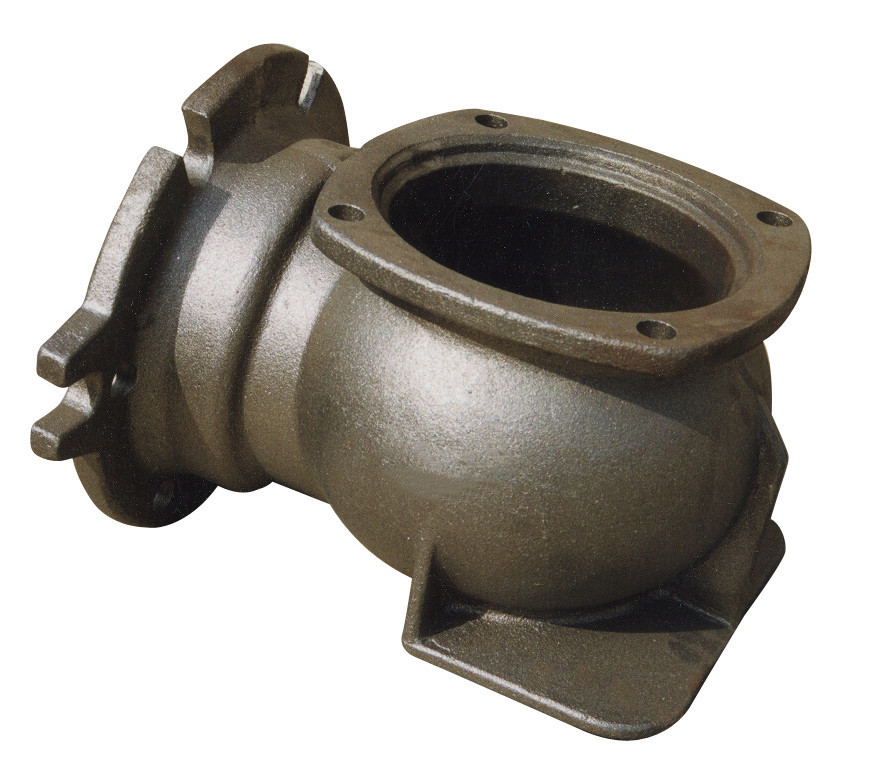
Process control of castings
Process control of castings is one of the most important links in the casting process. This process requires mastering casting parameters, including mold materials, sand mold materials, pouring temperature, pouring speed, cooling time, etc. Only when these parameters are properly controlled can high-quality castings be successfully produced.
Quality inspection standard
Quality inspection is an important part of the valve casting process. The national quality inspection standards for valve castings are very strict, mainly including appearance quality, dimensional deviation, mechanical properties, and chemical composition. Only when the measurement, assessment, and inspection are qualified can they be sold on the market.
Quality control system
The quality control system is an important part of the valve casting process. Its role is to establish and maintain a reliable system to ensure that the quality of castings meets standards. This system usually includes quality policies, quality objectives, quality manuals, procedure documents, records, internal audits, etc.
Material selection
The material selection of valve castings is also a crucial part. When selecting materials, it is necessary to comprehensively consider casting performance, heat resistance, corrosion resistance, mechanical properties and other factors. Under normal circumstances, selecting the appropriate material can effectively improve the performance of valve castings and extend their service life.
Energy saving and environmental protection measures
In the valve casting process, energy saving and environmental protection are also aspects that need attention. Adopting low-carbon and environmentally friendly casting technology is an important measure to ensure the sustainable development of the valve casting process. In addition, technologies such as waste casting recycling can also be used to reduce resource waste and reduce environmental pollution.
Valve castings are a type of industrial component widely used in piping systems. It is usually made of materials such as cast iron, steel, and copper alloys, and is used to adjust the flow, pressure, and direction of fluids in pipelines. In recent years, with the development of the industrial field and people's increasing requirements for quality of life, the market demand for valve castings has been gradually increasing. According to the use occasion, valve castings can be divided into gate valves, globe valves, ball valves, butterfly valves, check valves, regulating valves and other varieties. Different types of valve castings differ in structure, working principle and scope of use. For example, butterfly valves are widely used in heavy machinery manufacturing, thermal power generation and other industries. Their characteristics are simple structure, small size, light weight, and flexible and reliable switching.
In short, the quality requirements for valve castings are very high, and continuous improvement and strengthening are needed in terms of process control, quality inspection standards, quality control system, material selection, energy saving and environmental protection measures. Only in this way can high-quality and high-performance valve castings be produced to promote the development of industrial production.
Valve casting


Shandong Gongchen Machinery Technology Co., Ltd.
Contact QQ: 258506508
Mobile Number:15621618888
Phone:0536-7691368 7691229
Fax: 0536-7691229
Contact Email:guisongzhng8@gmail.com
Website:www.shandonggongchen.com Gongchen.China Valve Castings.China
Address: Mucun Town, Fangzi District, Weifang City, Shandong Province
Public Account